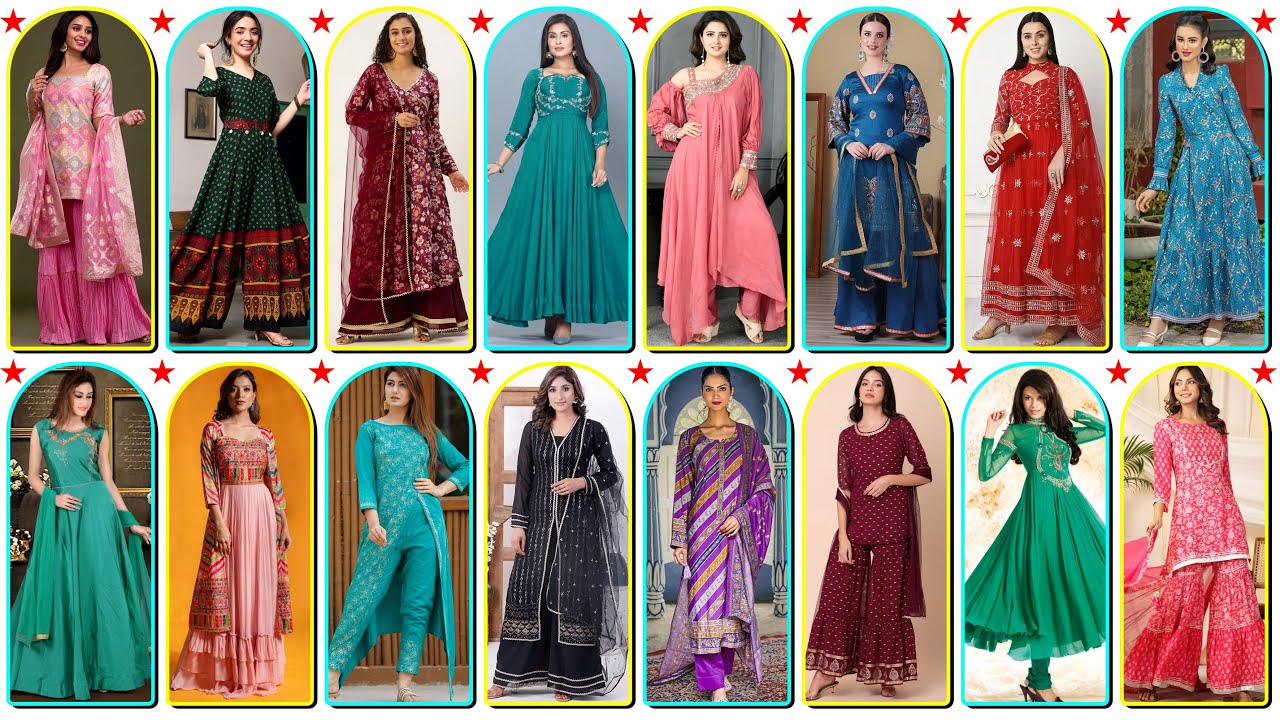
In 2025, traditional dresses are experiencing a powerful revival, blending heritage with innovation. From grand weddings to festive celebrations, traditional attire continues to symbolize culture, elegance, and pride. What makes this year special is the way designers are modernizing these outfits without losing their essence.
The spotlight is on sustainable fabrics such as organic silk, handwoven cotton, and khadi, which not only celebrate craftsmanship but also align with eco-friendly fashion goals. Intricate hand embroidery, zari work, and mirror embellishments remain evergreen, but in 2025, we see them paired with contemporary cuts and pastel shades. For example, lehengas with crop tops, sarees with pre-stitched drapes, and anarkalis styled with jackets are trending among the younger generation.

Men’s traditional wear is also evolving—classic kurta-pajamas and sherwanis are being redesigned with asymmetrical cuts, digital prints, and fusion fabrics for a stylish edge.
Global influence has made traditional dresses more versatile. People are styling sarees with belts, wearing kurtis with denim, and pairing traditional dupattas with western dresses, creating a fusion fashion wave. This adaptability ensures that traditional wear is not just limited to special occasions but can be worn daily in unique ways.
In 2025, traditional dresses are more than garments—they are a celebration of cultural identity, sustainability, and personal expression. With every thread woven and every motif crafted, they continue to tell stories of heritage while embracing the modern world.
No responses yet